

Knowing when to accept an offer — Elwood
A $3.35M written offer pushed for more became a $3.21M final sale price two weeks later — at a cost of up to $190,000 to the vendor.
The brief
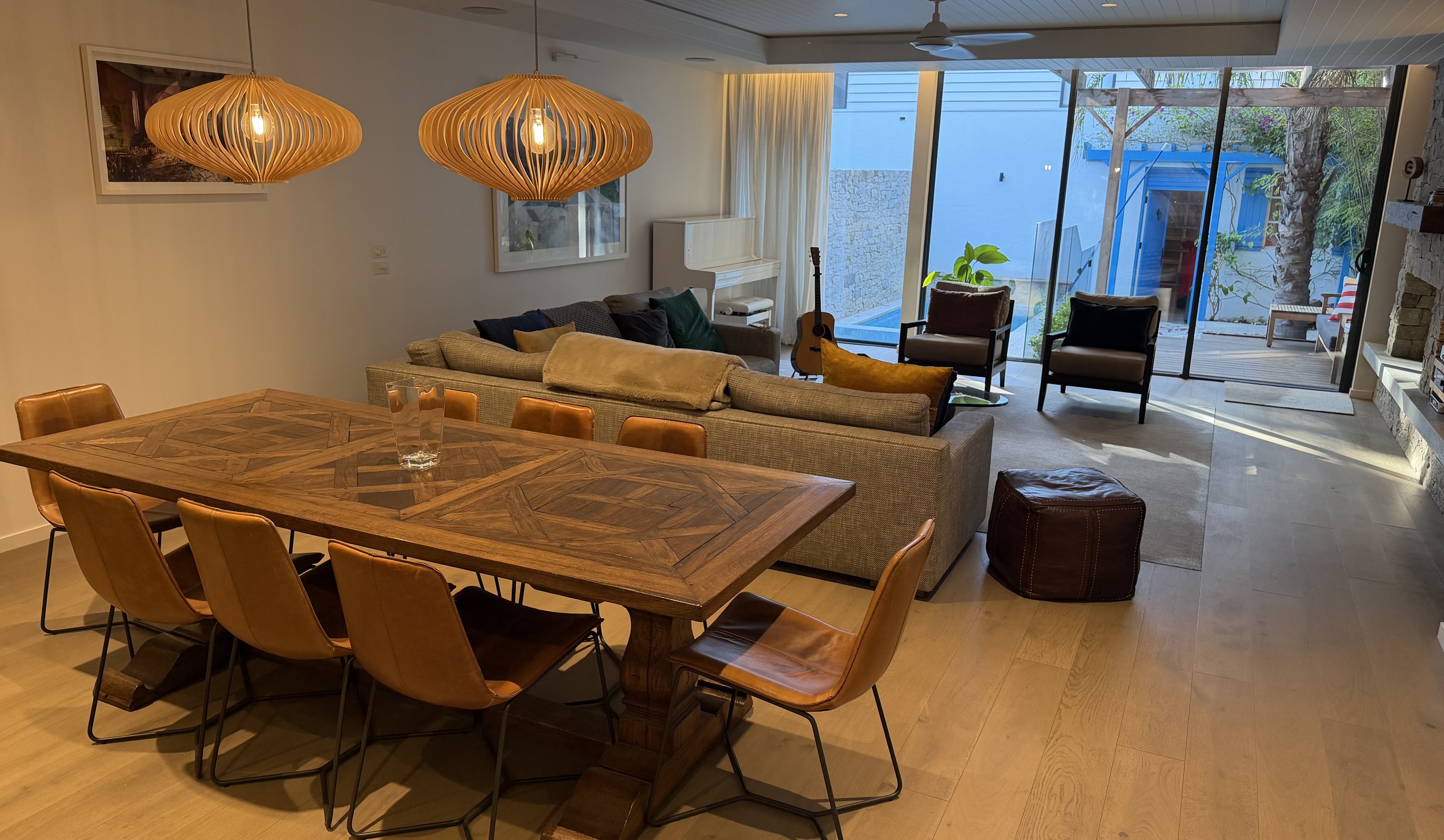
We were engaged as vendor advocate on the sale of a property in Bendigo Avenue, Elwood. The vendor came in with high price expectations from day one. That's not unusual — and it's not necessarily wrong. But where it becomes a problem is when an offer comes in close to fair value and the temptation is to push for more, rather than read the campaign honestly.
Our approach
During the auction campaign, we received a written offer of $3,350,000. The agent and I both advised the vendor to take it. The market was softening, the campaign hadn't produced multiple competing buyers at that level, and the offer was in writing — a clear, contractable position.
The vendor insisted on pushing for another $50,000. His logic — that if a buyer would pay $3.35M they'd pay $3.4M — sounds reasonable in isolation, but it ignores how buyers actually respond when they feel they're being squeezed. I warned that you can often push buyers away by pushing them too hard. The agent went back and asked the buyer to put $3.4M in writing.
The buyer didn't put $3.4M in writing. He said he'd changed his mind. He no longer wanted to buy the property. The $3.35M written offer — withdrawn.
The outcome
Two weeks later, after a failing auction in a declining market, the same buyer came back with $3.2 million. He didn't even show on auction day. At that point we had no other offers on the table.
The property was eventually sold to that same buyer for $3.21 million.
Through unrealistic expectations and the decision to push past sound advice, the vendor cost himself up to $190,000. That's the difference between $3.4M he believed he could get and the $3.21M he actually received — and the lesson holds even at the more conservative comparison to the $3.35M offer that was already in writing.
Sometimes the first offer is the best offer — especially in a falling market. A vendor advocate's role is to read the market honestly with you, recognise when a fair offer is in front of you, and give you the advice you actually need to hear. Whether to act on it is the vendor's call. But the call should be made with the full picture of what the market is doing.



Selling in an uncertain market?
The hardest part of any campaign is the decision in front of you when an offer arrives. As your vendor advocate, we read the campaign honestly with you and give you the call we believe is right — even when it's not what you were hoping to hear. A free conversation with Toby is the starting point.